

If there’s one thing we can learn from history, it’s that people in every era have faced financial hardships. One of the most well-known periods of economic struggle is the Great Depression. While it was a challenging time, people during this era had to find creative ways to save money and make ends meet. In this blog post, we will explore some Depression-era tips that can still be applied today, helping you save money and navigate your way through tough times. So let’s dive in and discover the frugal living strategies that were proven to be effective during the Great Depression.
1. Make Your Clothes Last Longer
During the Depression era, when money was scarce and resources were limited, people had to find creative ways to make their clothes last. One of the key strategies was to take good care of their garments to ensure their longevity. They would often hand wash their clothes rather than using a washing machine, as it was gentler on the fabrics. Additionally, they would mend any small rips or tears promptly, preventing them from becoming larger and more difficult to repair. Storing clothes properly, such as folding them neatly or hanging them on sturdy hangers, also helped to preserve their condition.
2.Use It Up
One practical tip that emerged during this time was to utilize every last drop of personal care, cleaning, and food items. Wasting products with just a little bit left seemed extravagant in times of scarcity. By ensuring that nothing went unused, individuals were able to maximize their resources and make the most of what they had. This simple practice of frugality truly added up, allowing people to stretch their budgets further and prioritize necessities during difficult times.
3. Make It Yourself
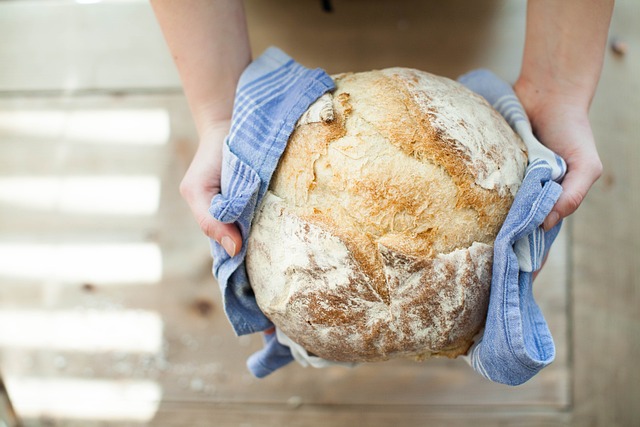
While grinding your own flour may not be practical today, there are still several techniques from that era that can help save money. One such tip is making your own bread and other foods from scratch. Not only is it a cost-effective alternative to buying pre-packaged items, but it also allows you to have better control over the quality and ingredients used. By embracing these DIY techniques, you can find creative and practical ways to save money in your daily life.
4. Borrow instead of buying
One effective tip was to utilize the local library as a source of entertainment and education. Books and movies, which are often only used or watched once, can be easily borrowed from the library for free. This allowed individuals to indulge in their interests without having to spend money on purchasing new books or DVDs. By taking advantage of the library’s resources, people could save money while still enjoying a wide range of literature and films.
5. Use less
One useful tip that emerged during this time was to be mindful of the number of products used. Common household items like soaps and detergents were often used excessively, wasting both money and resources. It was discovered that using a very small amount of these products is actually enough to be effective. In fact, using too much can sometimes make them less effective. By being conscious of the quantity of products used, individuals were able to stretch their supplies further and save precious pennies during economically challenging times.
6. Reuse everything you can
During the Depression Era, people learned to make the most out of every resource they had in order to save money. One of the ways they did this was by turning clothes that couldn’t be mended into rags, which could be used for cleaning or other household tasks. Old food jars were repurposed to store various items, reducing the need to purchase new containers. Even junk mail found a useful second life, as it was frequently utilized as scratch paper. This resourcefulness and creativity allowed individuals to find new ways to extend the lifespan of their belongings, helping them to make their limited resources stretch as far as possible.