
Now, if photography is your passion and you’re new to the game, you’ve come to the right place. Pictures have the power to freeze moments in time, evoke emotions, and tell captivating stories. Whether you’re aiming to make a name for yourself in the world of digital photography or simply looking to hone your skills, our beginner’s guide is here to steer you in the right direction. With tested tips and tricks at your disposal, you’ll soon be on your way to mastering the art of photography and capturing memories that last a lifetime.
Start with Quality Gear, Invest in a DSLR
When diving into photography, investing in quality gear is crucial. The choice of camera significantly impacts the overall quality of your photos. While starting out with a smartphone or basic camera is possible, to excel in commercial photography, a DSLR is the preferred choice. An entry-level DSLR, priced around $350, is ideal for beginners and amateur photographers due to its compact size, affordability, user-friendly features, and portability. Making this initial investment can pave the way for capturing exceptional images for various purposes.
Essential Tips for Holding Your DSLR Camera Correctly
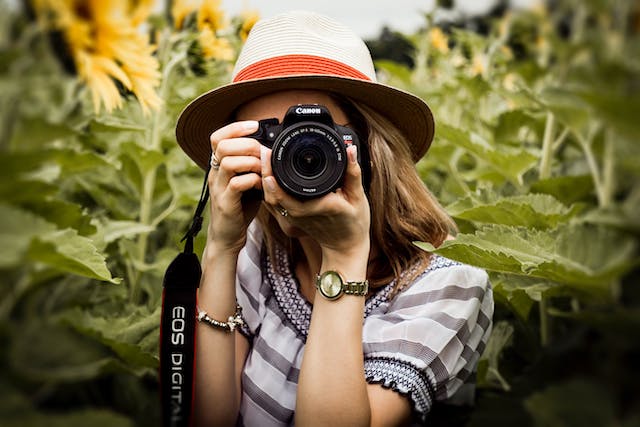
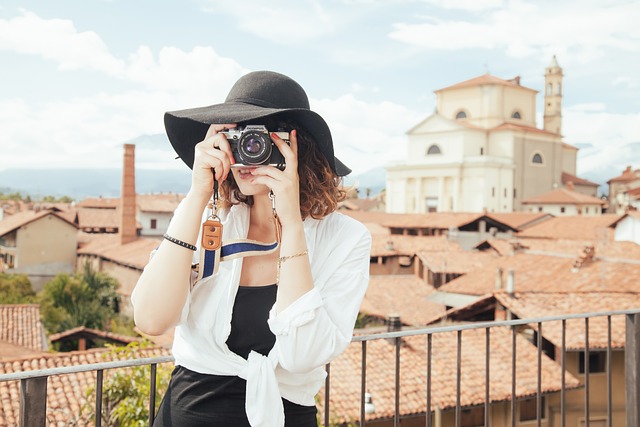
One of the best things a beginner photographer can learn is mastering the proper way to hold a camera. While many are accustomed to capturing shots with smartphones in a straightforward manner, using a DSLR requires a different technique. It is crucial to understand the significance of holding the camera both vertically and horizontally to achieve desired results. Experts advise beginners to stand with feet shoulder-width apart, ensuring one foot is slightly ahead for better balance. Keeping arms close to the body and locking the camera at eye level helps improve stability and enhance the quality of photographs. This fundamental skill is essential for any aspiring photographer looking to elevate their craft.
Exploring the World of DSLR Camera Settings
DSLR cameras are equipped with numerous settings that may overwhelm beginners without proper guidance. Understanding each setting and its impact on photos is crucial.
To navigate the settings efficiently, beginners should experiment with different camera modes, avoiding reliance on Auto mode.
By grasping the effects of aperture, shutter speed, and ISO on photographs, individuals can control light exposure effectively. Additionally, mastering autofocus modes is essential for attaining sharp focus in images. For those looking to edit photos, shooting in raw format provides greater flexibility during post-processing.
Remember, with practice and knowledge, mastering DSLR settings can lead to capturing stunning photographs.
The Importance of Post-Processing in Raw Photography
When stepping into the world of photography shooting in raw format, post-processing evolves into a crucial part of the workflow rather than a mere afterthought. Unlike the simplicity of enhancing smartphone photos with built-in tools, diving into raw photography necessitates investing in top-notch photo editing software. A reliable editing tool should empower users to carry out fundamental editing tasks such as cropping, fine-tuning white balance, and eliminating imperfections. For a more advanced touch, innovative solutions like PicsArt utilize artificial intelligence to recognize and rectify issues like noise, blurriness, and low contrast.
Using Flash Photography for Stunning Daytime Shots
Flashes aren’t limited to just nighttime photography. While they excel in low-light situations, flashes can also enhance daytime photos significantly. In addition to illuminating subjects in the dark, flashes can effectively fill in shadows and provide extra lighting in outdoor settings. Their versatility makes them a valuable tool for photographers looking to achieve optimal lighting in various conditions.