

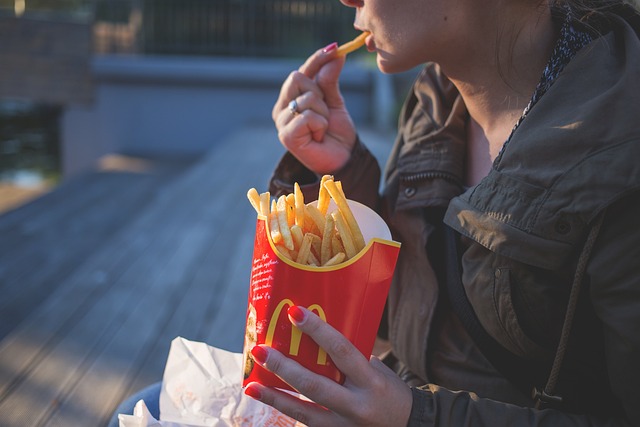
Ageing is a natural part of life, and as we enter our 30s, we may start noticing more physical and physiological changes taking place. From wrinkles and aches to weight gain, the transition from our vibrant 20s to our 30s can be a wake-up call. While some changes are inevitable due to genetics and the environment, our lifestyle choices can play a significant role in managing these effects. One key aspect to consider is our diet, as certain foods can impact how we age in our 30s. By being mindful of what we eat, we can take proactive steps to maintain our health and well-being as we navigate this new phase of life.
The Hidden Dangers of Excessive Sugar Consumption
Consuming excessive sugar poses serious health risks, including obesity, heart disease, liver failure, diabetes, and cancer. It is recommended that adults limit their daily sugar intake to 25g for women and 38g for men. Sugar is naturally present in various foods, such as fruits and vegetables, which are less harmful than added sugars. Added sugars, commonly found in snacks, soda, juice, alcohol, sauces, and candies, can easily push you beyond the recommended daily limit due to their hidden nature.
For instance, a seemingly innocent condiment like ketchup contains around 22g of sugar per 100g. Considering that a single teaspoon of ketchup contains about 5g of sugar, and typical restaurant sachets often provide 8-10g each, it is easy to surpass your daily sugar allowance without realizing it. To manage sugar intake, always scrutinize food labels for ingredients like sugar, syrup, or malt, such as cane sugar, corn syrup, or barley malt. Opt for healthier alternatives like water or unsweetened fruit juice, snack on vegetables and fruits, sweeten yogurt or cereal with fresh fruits like bananas, and consume processed snacks in moderation to promote a balanced and healthier lifestyle.
The Surprising Link Between Smoking Cigarettes and Premature Heart Disease
Smoking cigarettes is mostly linked to lung cancer, but even smoking as few as 1-4 cigarettes a day can lead to premature heart disease. Women who smoke 1-4 cigarettes daily also face a high risk of lung cancer. The good news is that quitting smoking can reverse the effects of cigarettes. If one quits before turning 40, they can reduce the risk of early death from smoking-related issues by 90%. Smoking weakens the immune system, but quitting can help the body heal faster. Nicotine replacement therapy products and therapy are effective ways to quit smoking, as quitting cold turkey has lower success rates.
Risks of Excessive Alcohol Consumption on Your Body
Consuming a moderate amount of alcohol per week is not likely to have severe negative consequences on one’s health. However, excessive alcohol intake can significantly increase the risk of various health issues such as obesity, heart disease, kidney failure, liver failure, cancer, and cognitive decline. It is essential for individuals, especially as they reach their 30s, to be mindful of their alcohol consumption to avoid these potential health risks. By reducing or eliminating alcohol from their routine, individuals can experience benefits like lower bad cholesterol levels, improved liver and kidney health, better quality sleep, and enhanced cognitive function in just a matter of weeks. Yet, quitting alcohol may come with its own set of challenges, including social pressure, cravings, changes in routine, and emotional distress. It’s essential to address these challenges with appropriate support and resources to successfully transition to a healthier lifestyle.
Understanding the Risks of Consuming Processed Meats in Your Diet
Meat is typically a great source of protein, essential for the body’s functioning. As individuals enter their 30s, their nutritional needs expand to include more fiber, minerals, vitamins, complex carbs, and protein. However, not all meats are created equal. Processed meats like bacon, sausages, hot dogs, or canned meat may pose health risks. Consuming these processed meats can heighten the chances of developing stomach cancer, hypertension, heart disease, and chronic obstructive pulmonary disease. This is due to the presence of sodium nitrite in processed meats, which can transform into n-nitroso compounds, notably nitrosamines. Nitrosamines, also present in tobacco smoke and contaminated water, elevate the risk of bowel cancer significantly. Therefore, it’s crucial to choose meat options wisely for better health outcomes.
How Trans Fats Can Impact Your Heart Health in Your 30s
People in their 30s should also avoid consuming trans fats, also known as hydrogenated fats. These fats are produced by passing hydrogen through oils to turn them into solid fats at room temperature, extending their shelf life. Trans fats elevate bad cholesterol levels and pose a heightened risk of heart disease. Common sources of trans fats include margarine, cooking fat, shortening, microwave popcorn, deep-fried foods, and frozen pizza.